Algorithmic Allocation: How UK Betting Sites Use Machine Learning to Customize Promotional Offers Based on Individual Play Histories
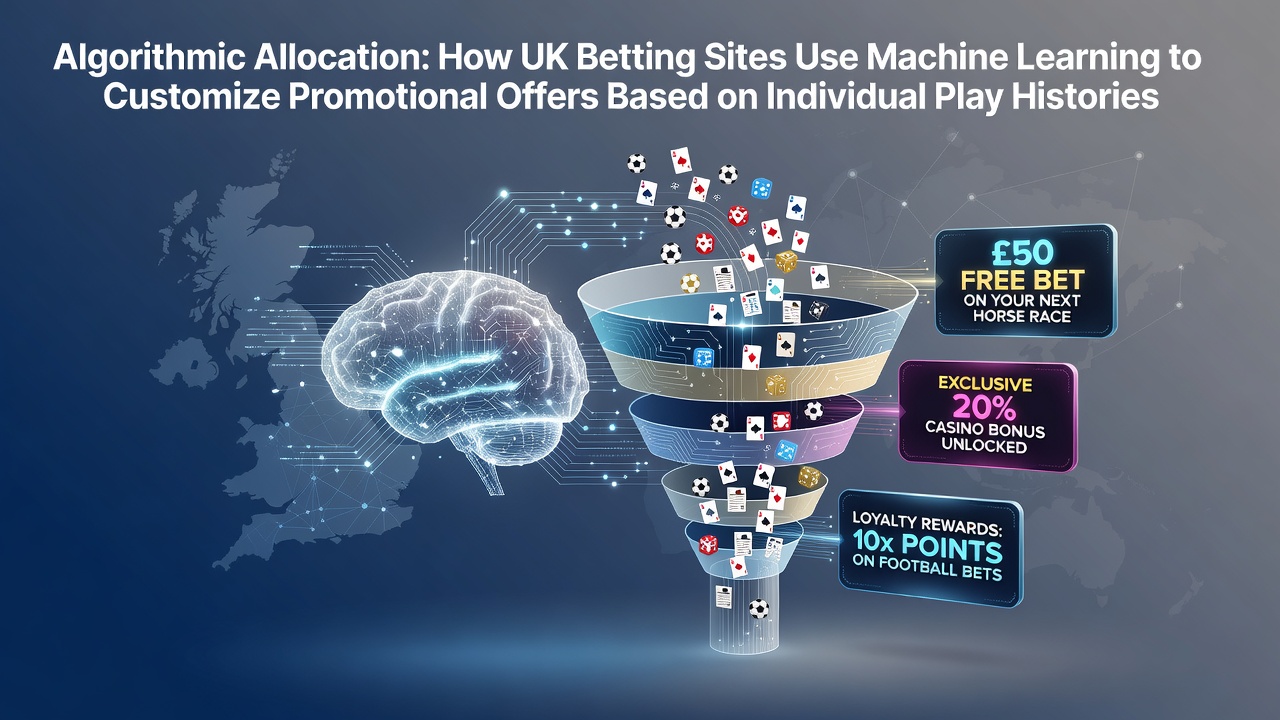
UK betting sites have integrated machine learning systems that analyze extensive records of individual play histories to generate tailored promotional offers, and these systems process variables such as bet frequency, stake sizes, game preferences, and session durations to determine which incentives align with observed patterns. Data streams from user accounts feed into models that segment players into cohorts based on behavioral clusters, which then trigger specific offers like deposit matches or free bet credits calibrated to past activity levels. Operators deploy these algorithms across platforms to adjust real-time recommendations while maintaining compliance with data protection standards that govern personal information handling in the sector.
Data Inputs Driving the Models
Play histories supply the core datasets that machine learning pipelines require, and these records encompass timestamps of wagers, outcomes across sports and casino products, deposit patterns, and withdrawal frequencies, allowing algorithms to detect correlations that predict responsiveness to particular promotions. Sites aggregate this information from multiple touchpoints including mobile apps and desktop interfaces, which creates comprehensive profiles that update continuously as new sessions occur. Researchers at institutions studying digital gambling behaviors have documented how such granular inputs enable finer segmentation than traditional demographic approaches alone could achieve.
Feature engineering steps transform raw logs into usable variables, and engineers normalize values for time-based trends while incorporating categorical labels for bet types or risk levels, which improves model accuracy when forecasting offer acceptance rates. External data sources sometimes supplement internal records, though privacy frameworks limit the scope of third-party integrations that operators can pursue. Observers note that the resulting datasets grow exponentially with user volume, necessitating scalable cloud architectures that handle millions of transactions daily without latency spikes.
Machine Learning Techniques in Practice
Supervised learning models dominate current implementations, and these systems train on historical offer redemption data paired with subsequent user actions to forecast which promotions will yield engagement from similar profiles. Clustering algorithms group users who exhibit comparable trajectories, such as high-volume sports bettors who respond to accumulator boosts or slot enthusiasts who engage with cashback structures, while reinforcement learning components refine recommendations through iterative feedback loops that reward successful conversions. Natural language processing elements occasionally parse support interactions or feedback forms to add qualitative layers to the quantitative profiles already assembled.

Model training cycles occur at regular intervals, and teams retrain networks on refreshed datasets to account for seasonal shifts in betting activity or platform updates that alter available products. Validation techniques such as cross-validation and A/B testing confirm that deployed models maintain predictive power before they influence live promotional streams. Industry reports from organizations like the American Gaming Association highlight parallel developments in other markets where similar techniques have reduced promotional waste by aligning incentives more precisely with demonstrated preferences.
Offer Customization and Delivery Mechanisms
Once models generate predictions, automated systems push customized offers through email, in-app notifications, and account dashboards, and the timing of delivery often aligns with predicted moments of high receptivity derived from historical login patterns. A player who consistently places larger wagers on midweek fixtures might receive accumulator-related boosts, whereas someone with frequent smaller slot sessions could see reload credits scaled to their average deposit amounts. Dynamic pricing elements adjust the value of these incentives based on projected lifetime value calculations that the algorithms maintain for each account.
Testing frameworks embedded in these platforms measure uplift metrics across control and treatment groups, which allows operators to iterate on offer structures without disrupting overall user experiences. Delivery occurs within milliseconds of model inference in many cases, supporting near-instantaneous personalization that feels responsive to individual contexts. Data from research published through the Australian Gambling Research Centre indicates that such targeted approaches correlate with measurable differences in retention metrics when compared against generic promotions distributed uniformly.
Emerging Developments by August 2026
By August 2026, several UK platforms had begun experimenting with federated learning setups that allow model improvements across operator networks while keeping raw player data localized, and this architecture addresses growing scrutiny around data centralization. Integration with wearable device signals and session telemetry has expanded input features in pilot programs, though regulatory boundaries continue to shape the extent of permissible linkages. Academic papers emerging from collaborative university-industry projects document incremental gains in prediction precision as these hybrid systems mature.
Conclusion
Algorithmic allocation through machine learning has become a standard component of promotional strategies on UK betting sites, and the practice relies on detailed analysis of play histories to match offers with demonstrated user behaviors. Continued refinement of these systems depends on advances in data processing efficiency alongside evolving standards for responsible data use. Those who track the sector observe that the underlying technologies continue to evolve in response to both technical capabilities and external expectations around transparency.