Algorithmic Tailoring of Incentive Packages Across UK Wagering Platforms
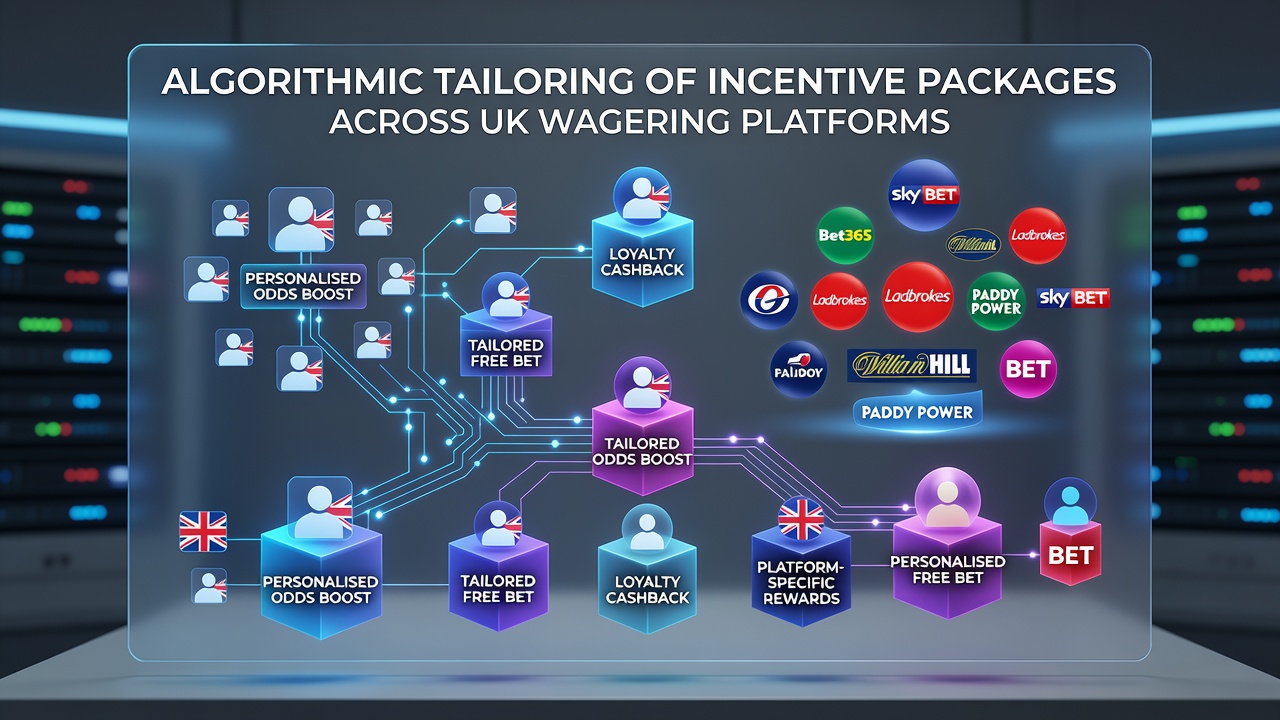
UK wagering platforms apply machine learning models to analyze player behavior and construct individualized incentive structures that adjust in real time based on deposit patterns, game preferences, and session durations. These systems process thousands of data points per user to determine offer types, values, and delivery timing without relying on static templates that once defined bonus distribution across the sector.
Data Inputs Fueling Personalization Engines
Operators collect metrics such as average bet size, frequency of accumulator wagers, preferred payment methods, and historical response rates to previous promotions before feeding this information into clustering algorithms that segment users into dynamic cohorts. Researchers at institutions like the University of Sydney have documented how similar approaches in other jurisdictions rely on behavioral telemetry to predict which combination of free bets, cashback percentages, or multiplier rewards will produce the highest engagement levels for each profile.
Platforms integrate third-party data enrichment services that append demographic indicators and device usage statistics to internal records, allowing the algorithms to refine targeting while platforms comply with data protection requirements under UK law. The result appears in offers that shift automatically, for instance delivering higher reload percentages to users who favor live dealer tables while routing sports-focused players toward accumulator boosts.
Implementation Patterns Observed Across Major Sites
Leading operators deploy recommendation engines that mirror those used in retail and streaming services, testing multiple incentive variants on small user segments before scaling successful configurations to broader audiences. This A/B testing occurs continuously, with models updating weights based on conversion metrics collected over rolling 24-hour windows. Observers note that by June 2026 several platforms had shortened the interval between model retraining cycles to under 48 hours, enabling faster adaptation to seasonal betting spikes around major football tournaments.
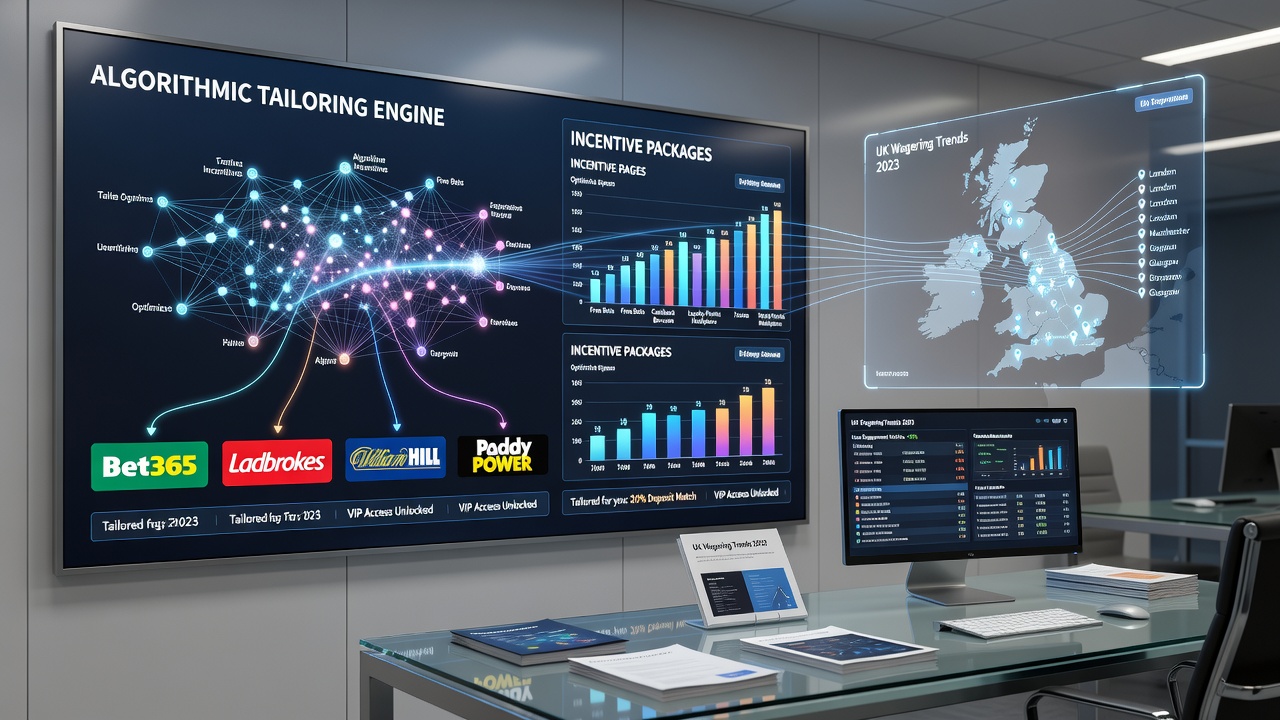
Integration with customer relationship management systems allows the algorithmic layer to trigger push notifications or email sequences at moments when predicted churn risk rises above internal thresholds. One documented case involved a platform adjusting no-deposit credit values for new registrants based on the traffic source that brought them to the site, with users arriving via comparison portals receiving different structures than those coming through affiliate links.
Technical Architecture and Model Types
Gradient boosting frameworks and neural network architectures handle the core prediction tasks, while reinforcement learning components optimize long-term value by balancing immediate reward costs against projected lifetime player value. These models draw on historical datasets spanning multiple years, incorporating variables such as time-of-day activity peaks and device switching patterns to time incentive delivery for maximum uptake.
External vendors supply specialized modules that plug into existing platform infrastructure, offering pre-trained models that operators fine-tune using proprietary data. Industry reports from the Responsible Gambling Council highlight how Canadian operators have adopted comparable frameworks, providing benchmarks that UK sites reference when calibrating their own systems for regulatory alignment.
Regulatory Context and Oversight Trends
Although direct oversight of algorithmic decision-making remains limited, platforms must demonstrate that personalization processes do not inadvertently disadvantage protected groups or breach advertising standards. Compliance teams review model outputs for bias indicators and maintain audit logs that record which variables influenced each offer decision.
European regulatory bodies have begun publishing guidance documents on transparency requirements for automated systems in gambling, prompting UK operators to build explanation interfaces that allow users to understand why they received particular incentives. These developments coincide with broader industry movement toward auditable AI practices across financial and entertainment sectors.
Impact on Player Journeys and Retention Metrics
Longitudinal analyses conducted by academic groups show measurable differences in retention curves between users exposed to algorithmically tailored offers and those receiving generic promotions. Retention improvements appear most pronounced in mid-tier segments where standard bonuses previously produced diminishing returns. Platforms report that the shift toward personalization has reduced the volume of unclaimed offers while increasing the proportion of players who complete associated wagering requirements.
Cross-platform comparisons reveal that operators investing earlier in algorithmic infrastructure achieved higher average revenue per user within the first year of deployment, though these gains depend on continuous data quality maintenance and model monitoring.
Conclusion
Algorithmic tailoring has become a standard operational feature across UK wagering platforms, driven by advances in machine learning and the availability of granular behavioral datasets. The approach connects player activity signals directly to incentive construction, producing dynamic packages that evolve with individual patterns. Continued refinement of these systems will likely depend on regulatory developments and improvements in model interpretability as the sector moves further into 2026 and beyond.