App Advantage: Specialized Incentives for Mobile Users in the British Betting Market
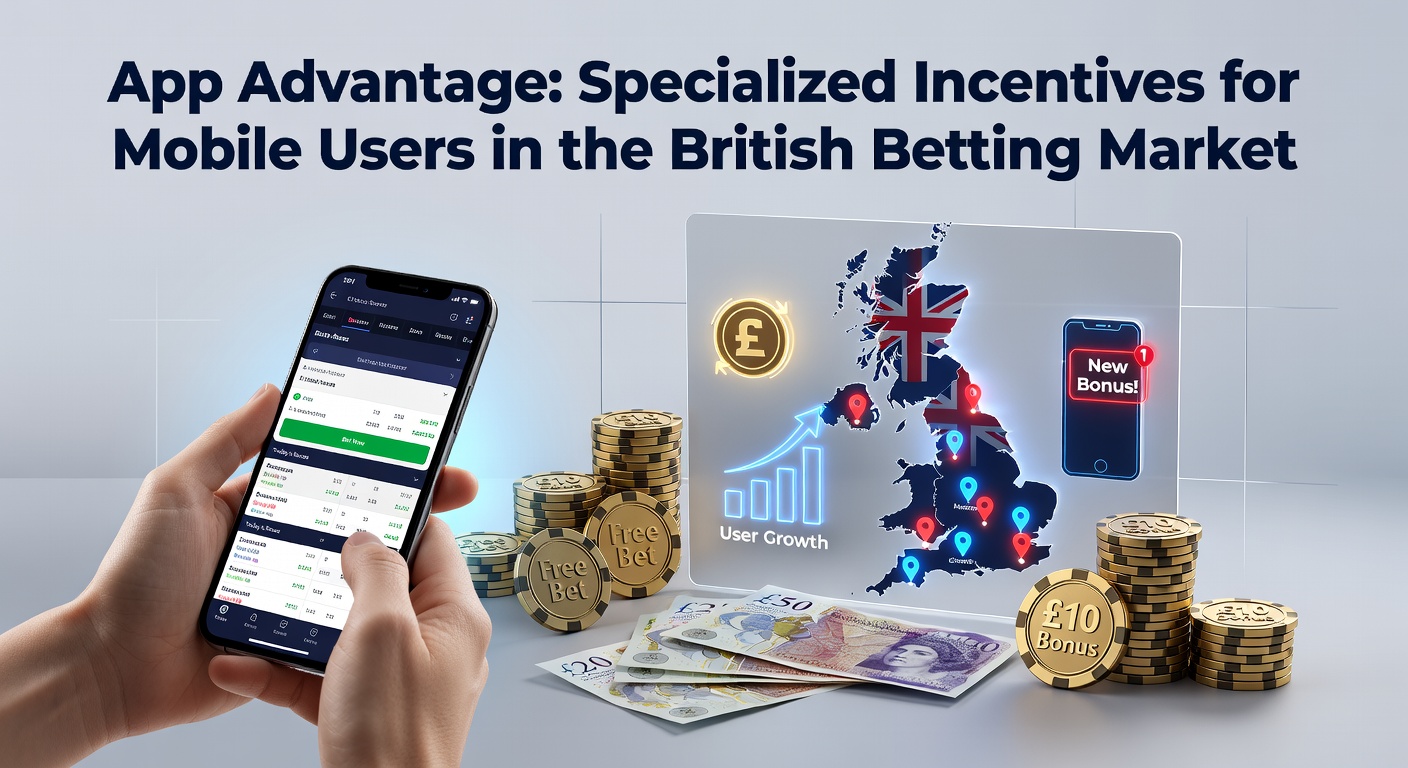
British betting operators have expanded mobile app features that deliver targeted incentives unavailable on desktop platforms, and these developments reflect shifts in user engagement patterns documented through industry tracking reports. Mobile applications enable operators to leverage device data such as location services, push notification systems, and real-time activity logs to structure rewards that activate only within the app environment, while desktop users encounter different promotional structures.
Operators structure app-specific welcome packages that incorporate instant deposit matches triggered through mobile payment gateways, and these offers often include accelerated loyalty point accrual rates that apply exclusively during in-app sessions. Data compiled by research institutions shows mobile betting volumes in the United Kingdom accounted for over 70 percent of total activity by early 2025, prompting operators to allocate dedicated incentive pools for app users who complete verification processes directly through their devices.
Device-Driven Personalization Mechanisms
App architectures allow operators to monitor session duration, preferred bet types, and frequency of deposits in ways that generate customized reward sequences unavailable through web browsers. Users who enable location services receive notifications about nearby event-related promotions when they approach sports venues or entertainment districts, and these geofenced incentives typically appear as free bet credits or enhanced odds on local fixtures. Research from the Canadian Centre on Substance Use and Addiction indicates that mobile platforms facilitate higher rates of repeated engagement compared with desktop interfaces because of the seamless integration between notifications and immediate account actions.
Push notification campaigns operate as primary delivery channels for time-sensitive incentives such as streak multipliers that accumulate across consecutive login days or deposit thresholds reached within the app. These sequences reset only when users interact through the mobile interface, which creates a structural distinction from desktop-based reward programs. Observers note that operators adjust these notification cadences based on aggregated user behavior datasets rather than individual targeting, yet the result remains an incentive layer tied directly to mobile usage.
Integration with Mobile Payment and Security Features
Payment methods embedded within betting apps often carry multiplier effects on deposit bonuses, particularly when users select digital wallet options that complete transactions faster than traditional bank transfers. These multipliers appear as additional bonus percentages credited automatically once the app confirms the deposit, and they differ from standard desktop welcome offers that apply flat rates across all funding methods. Industry reports highlight that transaction speed within apps correlates with higher uptake of reload incentives because users encounter fewer friction points during the funding process.
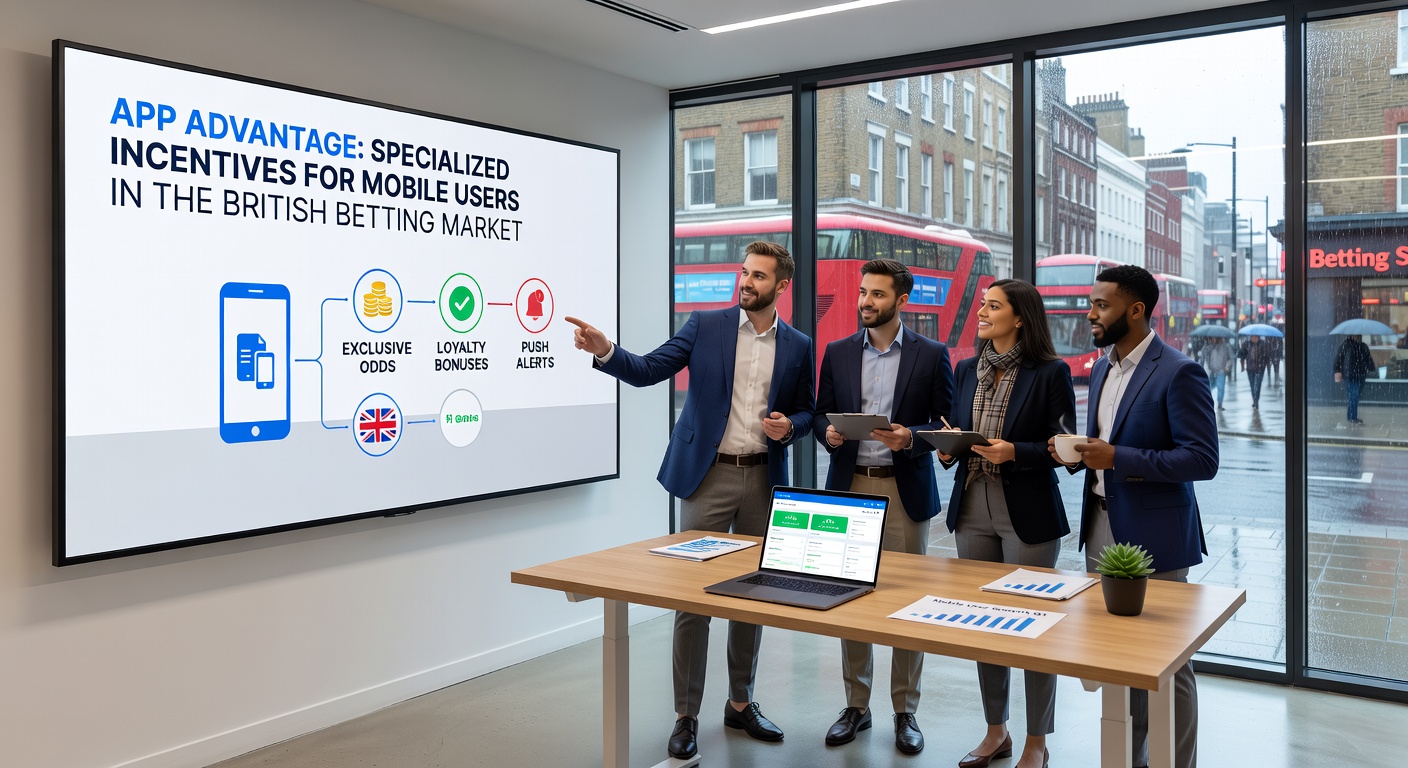
Biometric authentication protocols built into modern smartphones further streamline access to tiered loyalty programs that grant escalating benefits as app activity milestones are reached. Users who maintain consistent mobile logins over set periods unlock higher cashback percentages on losses incurred exclusively through in-app wagers, and these tiers reset according to rolling monthly windows tracked within the application itself. As of May 2026, several major operators reported that mobile loyalty segments represented the fastest-growing category of active accounts, driven by the convenience of in-app progression tracking.
Comparative Structures Across Platforms
Desktop platforms continue to offer broad promotional menus that include newsletter subscriptions and affiliate-driven credits, yet app environments concentrate incentives around immediate usability and session continuity. Studies conducted by the Australian Gambling Research Centre reveal that users who switch between platforms often receive separate reward streams, with mobile incentives emphasizing short-term engagement loops such as daily login chains or mini-challenges completed through touch interfaces. This separation allows operators to maintain distinct budget allocations for each channel while complying with regulatory frameworks that govern promotional transparency across devices.
App-exclusive tournaments and leaderboard competitions award prize pools funded through entry fees collected only from mobile participants, and these events frequently incorporate live updates delivered via push alerts that keep users engaged without requiring browser navigation. Observers have documented that such competitions generate measurable increases in average session times within the app, particularly during major sporting calendars when real-time data feeds enhance the competitive element.
Future Trajectory Through 2026 and Beyond
Market analyses project continued refinement of app-based incentive models as operators incorporate machine learning tools to predict optimal timing for reward distribution. These tools analyze aggregated patterns across user cohorts to determine when incentives such as loss recovery credits or deposit accelerators will produce the highest retention rates, and they operate exclusively within the mobile data environment. Regulatory bodies outside the United Kingdom have begun examining similar cross-border mobile promotion practices, providing comparative data that informs British operators about emerging compliance expectations.
Operators maintain separate terms for app incentives to ensure clarity around eligibility criteria that hinge on device type and operating system version, and users must review these conditions within the application before participating. This approach preserves the specialized nature of mobile rewards while aligning with broader industry standards for responsible promotion design.
Conclusion
British betting operators have established distinct incentive frameworks that leverage mobile app capabilities to create engagement pathways unavailable through other channels. These structures rely on device-specific features, payment integrations, and notification systems to deliver rewards calibrated to user behavior patterns observed in real time. Data from multiple research sources continues to shape how operators allocate resources between mobile and desktop promotions, ensuring that app advantages remain a defined segment within the overall market. As mobile usage patterns evolve, operators adjust incentive parameters to maintain alignment with both user preferences and regulatory expectations across jurisdictions.