Exploring User Behavior Data in Customized Promotional Campaigns for Britain's Licensed Online Gambling Platforms
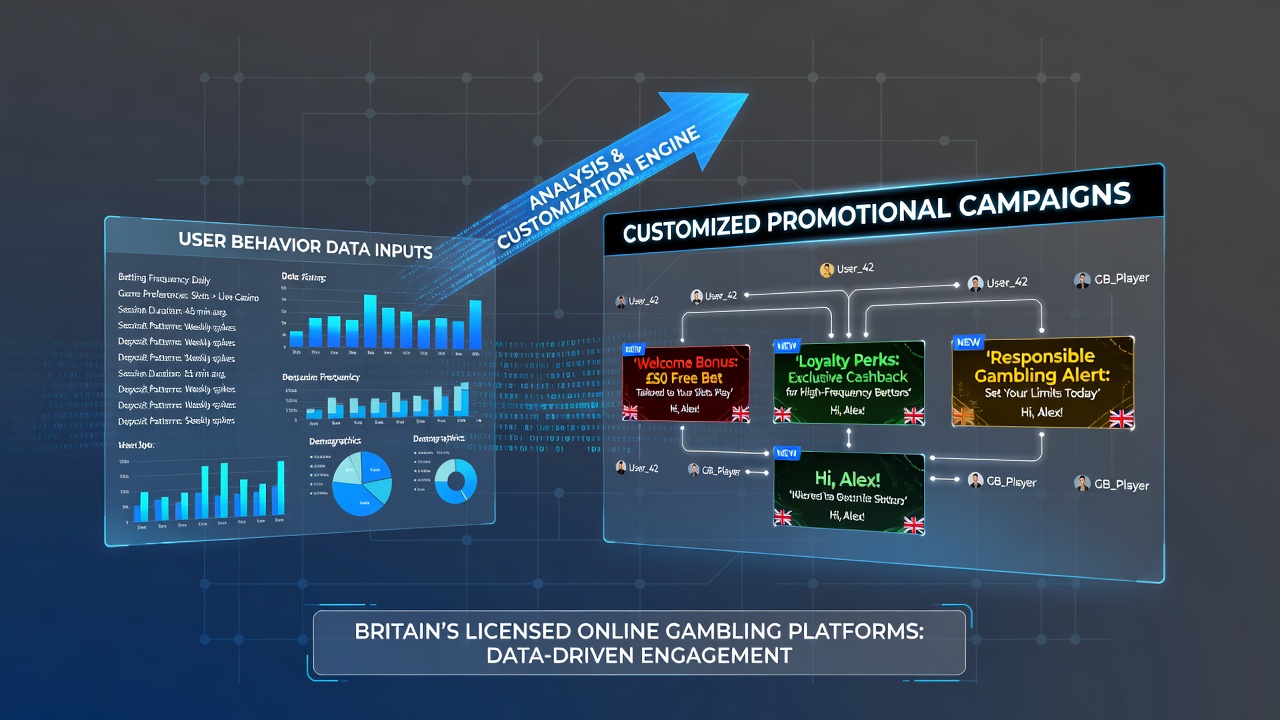
Britain's licensed online gambling platforms rely on extensive user behavior data to shape promotional campaigns that align with individual patterns of play and engagement, and operators track metrics such as session duration, game preferences, deposit frequency, and response rates to previous offers through integrated analytics systems. These datasets allow platforms to segment users into categories based on observed activity, which then informs the timing and content of tailored incentives like deposit matches or free spins delivered via email or app notifications. Research from academic institutions indicates that such data-driven approaches emerged as a standard practice by the mid-2010s, with refinements continuing into 2026 as machine learning models improved prediction accuracy for player retention.
Data Collection Methods and Sources
Operators gather information through multiple channels including website interactions, mobile app usage logs, and transaction histories, while third-party tools often supplement internal records by providing aggregated insights on browsing habits across devices. Experts note that platforms employ cookies and account-linked identifiers to build comprehensive profiles without requiring explicit user input beyond standard registration details. As of August 2026, advancements in real-time processing have enabled platforms to adjust campaign parameters mid-session based on live behavior shifts, such as increased bet sizes during specific events.
Studies from research organizations like the University of Nevada's gaming analytics center reveal that British platforms integrate data from loyalty program participation and social media engagement metrics to refine targeting further. This combination creates a feedback loop where promotional responses feed back into the system, allowing algorithms to prioritize offers that historically yield higher conversion rates among similar user cohorts.
Customization Techniques in Practice
Personalized campaigns typically segment audiences by behavioral clusters such as high-frequency slot players or occasional sports bettors, and operators deploy dynamic content that matches these profiles through automated systems. For instance, a user who frequently engages with live dealer tables might receive reload bonuses tied to those games, whereas someone showing patterns of weekend activity could see time-limited cashback offers activated during those periods. Data indicates these methods increase engagement metrics by aligning incentives with demonstrated preferences rather than generic blasts.

What's interesting is how predictive modeling plays a role, as platforms use historical patterns to anticipate lulls in activity and intervene with relevant promotions before churn occurs. Observers note that this proactive strategy draws from techniques refined in other sectors, adapted here through partnerships with data analytics firms specializing in regulated industries. Figures from industry reports show that customized campaigns now account for a growing share of marketing spend across British operators compared to broad-spectrum advertising.
Regulatory and Compliance Factors
Platforms must balance data utilization with requirements from bodies like the Australian Communications and Media Authority alongside EU data protection frameworks, which influence how behavioral information gets stored and applied. Compliance teams review segmentation criteria to ensure offers do not target vulnerable groups based on detected risk indicators in user patterns. Those who've examined the sector point out that audits often focus on transparency in data usage disclosures provided during account setup.
External analyses, such as those published by the Canadian Gaming Association, highlight parallels in how international operators handle similar data flows while maintaining player protections. British platforms incorporate these learnings through shared best practices at trade conferences, resulting in standardized protocols for anonymizing datasets used in campaign testing.
Impact on Player Journeys and Retention
Evidence suggests that data-informed promotions contribute to sustained participation by delivering relevant incentives at key moments, like post-deposit sequences or after extended play sessions. One study revealed that platforms experimenting with behavior-based triggers saw measurable lifts in repeat visits without increasing overall promotional volume. This efficiency stems from reduced reliance on blanket offers, which data shows often underperform among specific segments.
Researchers discovered that integration of cross-platform tracking, covering both casino and sports products, allows for more holistic personalization across a user's account activity. As August 2026 approaches, emerging tools incorporating biometric feedback from mobile devices promise even finer adjustments, though adoption remains gradual due to technical and oversight considerations.
Conclusion
Overall, user behavior data serves as the foundation for customized promotional strategies across Britain's licensed online gambling platforms, enabling precise alignment between operator offerings and observed player patterns. Continued evolution in analytics capabilities points toward greater sophistication in campaign delivery by late 2026, supported by ongoing inputs from regulatory bodies and research entities worldwide.