How Data Analytics Shape Personalized Incentive Paths for British Bettors
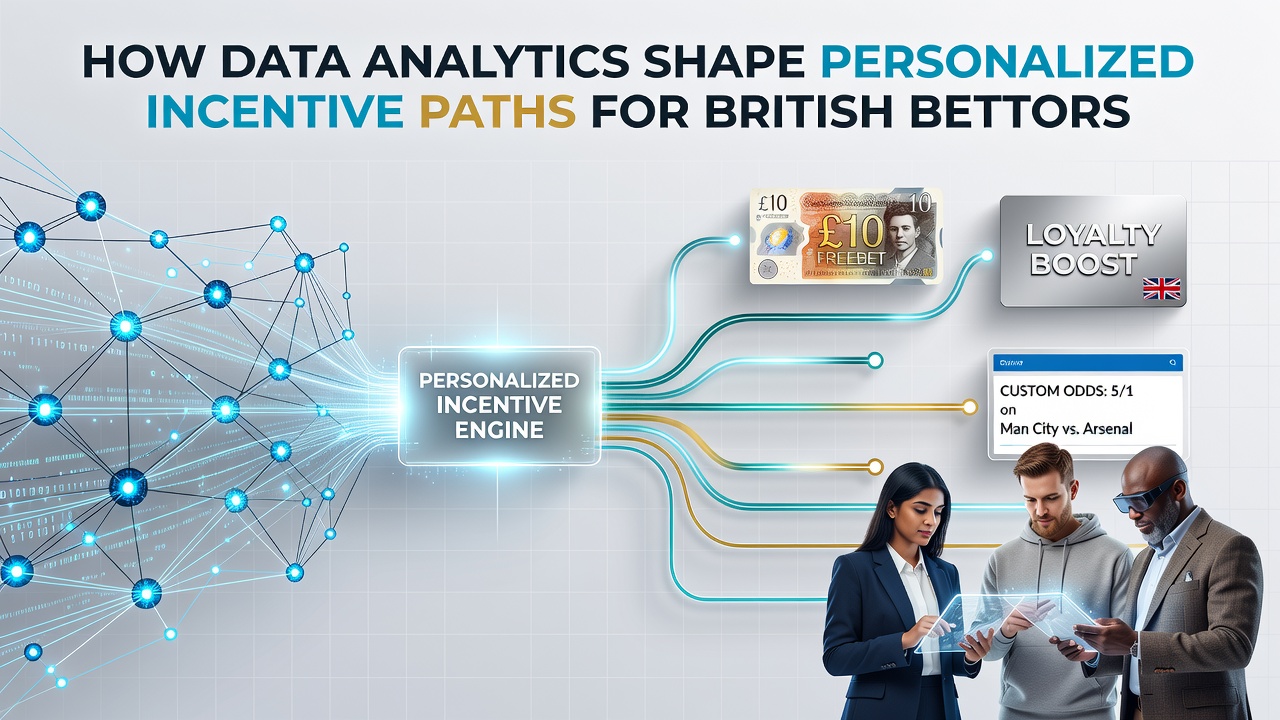
Data analytics now drive the creation of individualized incentive structures across British betting platforms, where operators compile vast datasets from user interactions and apply sophisticated models to generate targeted offers that align with specific betting histories and preferences. Researchers track metrics such as wager frequency, preferred sports markets, and session timing, then feed these inputs into algorithms that adjust reward types and values in real time.
Data Collection Foundations in the British Market
Operators in Britain assemble information from deposit records, bet selections, and withdrawal patterns while also monitoring device usage and geographic signals that help segment audiences without direct personal identifiers. This process allows systems to distinguish between high-volume sports bettors who favor accumulators and those who concentrate on slot sessions, which in turn shapes the timing and composition of subsequent incentives. Studies from the American Gaming Association reveal that similar data aggregation methods have increased retention rates by identifying players likely to respond to reload multipliers or cashback formulas tailored to their activity levels.
Algorithms process these streams continuously, and they update profiles as new bets register, creating dynamic pathways that evolve rather than static promotions applied uniformly. Observers note that platforms often integrate external signals such as fixture schedules or seasonal events to refine predictions further, ensuring offers land when engagement tends to peak.
Algorithmic Personalization Techniques
Machine learning models examine historical behavior to forecast which incentive formats will prompt continued activity, whether that means free bets on specific leagues or deposit-matched bonuses scaled to average stake sizes. These systems weigh variables like loss frequency and win streaks, then calibrate reward magnitude accordingly while maintaining compliance boundaries. A report from the University of Nevada's International Gaming Institute highlights how predictive analytics in comparable markets have optimized incentive delivery by matching offer types to individual risk tolerance profiles derived from play data.
Platforms deploy clustering methods that group users with similar trajectories, and they test variations across cohorts to refine what drives responses without overgeneralizing. This approach yields incentive paths that shift mid-cycle, such as moving a user from initial deposit bonuses toward loyalty escalators once consistent patterns emerge.
Real-World Application in July 2026
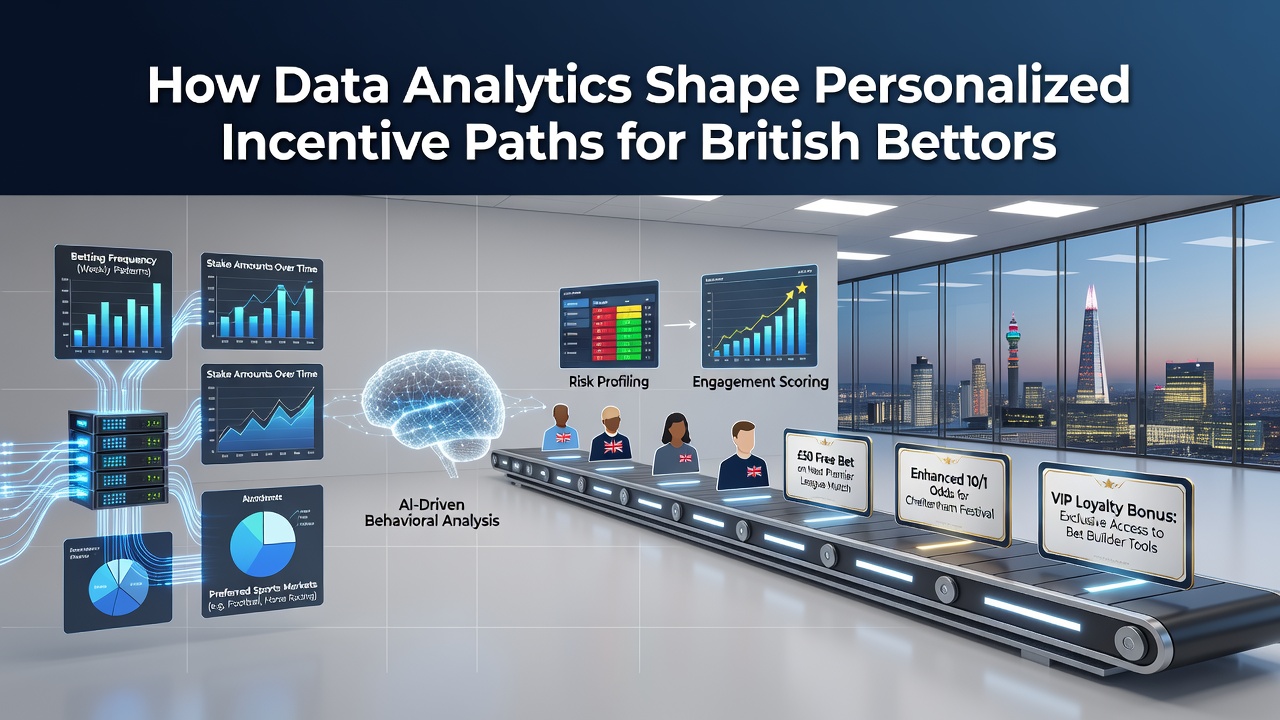
By July 2026 British operators had expanded these capabilities to incorporate live event data streams, allowing incentives to adjust during major tournaments based on individual betting momentum observed up to that point. For instance, a bettor who has placed multiple football accumulators might receive targeted boost credits for upcoming fixtures, while another focused on casino games sees cashback thresholds recalibrated to their typical session lengths. Data from the Canadian Gaming Association shows parallel developments in other regulated regions where segmented analytics have supported sustained participation across diverse player segments.
Integration with push notifications and email sequences further personalizes delivery timing, and systems prioritize channels that demonstrate higher open rates for each profile. Those who have examined platform architectures note that privacy-preserving techniques such as federated learning now help maintain accuracy while limiting raw data movement across borders.
Broader Industry Patterns and Measurement
Retention metrics improve when incentives reflect granular preferences, and operators report measurable lifts in repeat deposits among users who receive algorithmically matched offers compared with generic campaigns. External benchmarks from industry research groups indicate that personalization depth correlates with longer account lifespans, particularly when models incorporate both short-term activity spikes and longer-term trends. Platforms continue to iterate on these frameworks, testing new variables such as time-of-day preferences and device-specific behaviors to sharpen future predictions.
Conclusion
Data analytics have become central to how British betting operators construct and refine incentive pathways that respond to individual patterns rather than broad categories. Continuous model updates and cross-referenced datasets enable offers that adapt as user behavior shifts, supporting both engagement goals and regulatory alignment observed through mid-2026. The result is a landscape where personalized incentives emerge directly from measurable activity signals, creating structured journeys that differ for each participant based on their recorded history.